How Sports Medicine in Podiatry Helps You Recover
Sports medicine in podiatry combines foot-and-ankle expertise with injury prevention, diagnosis, rehabilitation, and performance planning. A podiatrist can identify the source of pain, treat conditions such as sprains or tendon injuries, and create a staged recovery plan that helps athletes return to activity safely and confidently.
What Does Sports Medicine in Podiatry Include?
Sports medicine in podiatry focuses on the parts of the body that absorb impact, control movement, and transfer force during exercise. Because the feet and ankles support every running, jumping, cutting, and landing motion, a small problem can affect the knees, hips, and lower back as well.
A sports-focused podiatry evaluation may include:
- A review of symptoms, training habits, footwear, and previous injuries
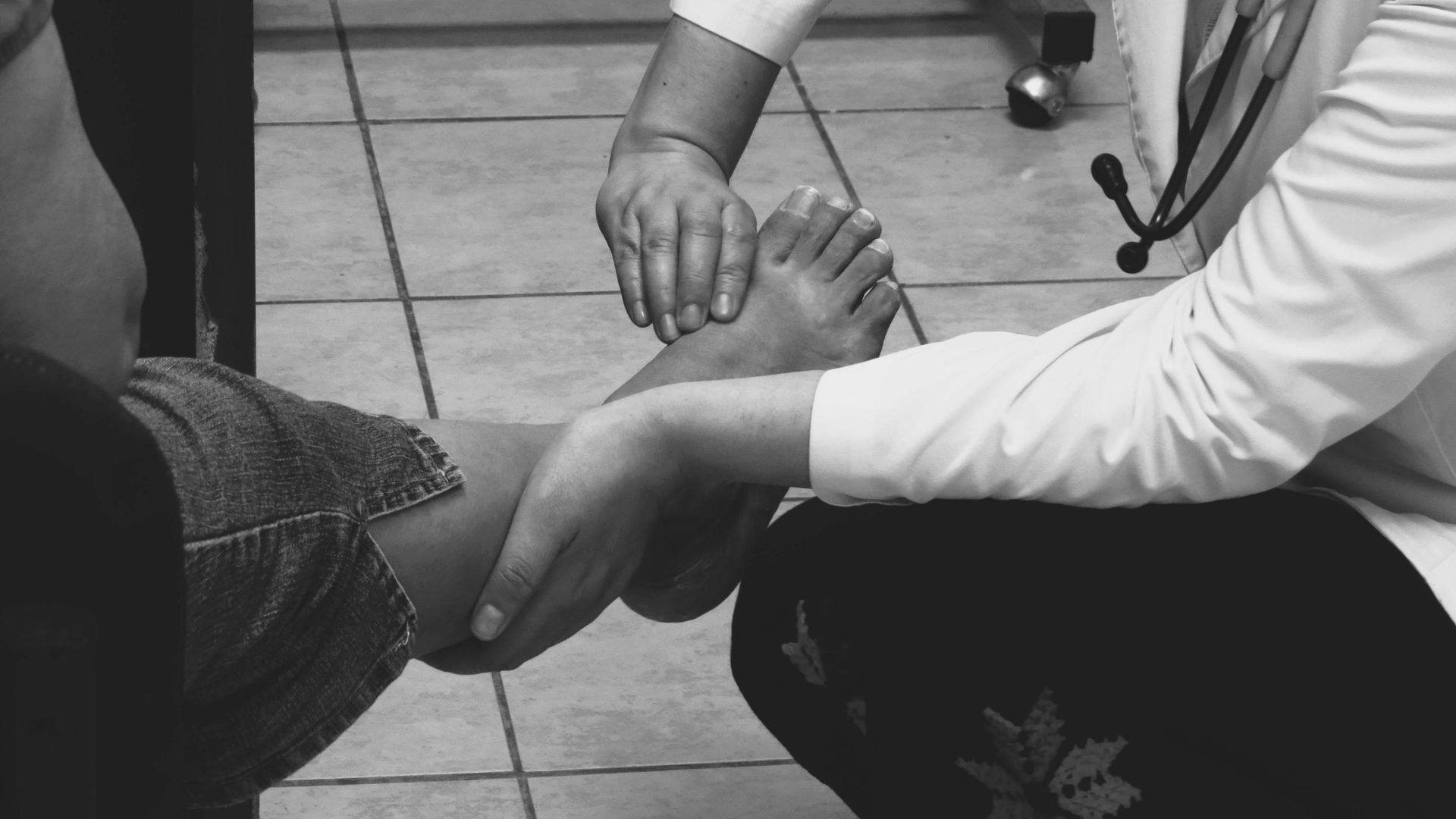
- A physical examination of strength, flexibility, balance, alignment, and range of motion
- Gait and movement assessment to identify stress or inefficient mechanics
- Imaging or diagnostic testing when a fracture, tendon injury, or joint problem is suspected
- A personalized treatment and return-to-activity plan
This approach is useful for recreational athletes, competitive athletes, runners, dancers, active workers, and anyone whose foot or ankle pain interferes with movement.
Which Sports Injuries Can a Podiatrist Treat?
Podiatrists commonly evaluate and treat injuries caused by overuse, sudden impact, repetitive stress, or poor biomechanics. Common examples include:
- Ankle sprains: Ligament injuries that may cause swelling, bruising, instability, and difficulty bearing weight. Learn more about ankle sprains .
- Achilles tendon injuries: Pain, stiffness, or tearing involving the tendon at the back of the ankle. See our guide to Achilles tendonitis .
- Plantar fasciitis: Heel or arch pain often associated with repetitive loading and tight calf muscles. Explore plantar fasciitis .
- Stress fractures: Small cracks in a bone caused by repeated force, often presenting as gradually worsening pain.
- Metatarsalgia: Pain beneath the ball of the foot that can develop during running, jumping, or high-impact training. Read about metatarsalgia .
A podiatrist can also help with ankle instability, tendonitis, neuromas, shin-related foot pain, and recurring blisters or calluses that affect performance.
How Does a Podiatrist Diagnose a Sports Injury?
Diagnosis starts with understanding how the injury happened and how symptoms change during activity. Your provider may ask about training volume, recent changes in terrain or equipment, recovery time, and previous injuries.
The examination may assess:
- Pain location and behavior: Where the pain occurs, what triggers it, and whether it appears at rest.
- Swelling and tenderness: Areas of inflammation, bruising, or sensitivity.
- Mobility and strength: How joints, muscles, and tendons perform through movement.
- Alignment and gait: Whether foot position or walking mechanics place excess stress on tissues.
- Structural concerns: Signs of fractures, tendon damage, arthritis, or joint instability.
Depending on the findings, diagnostic imaging may include X-rays, ultrasound, or other advanced tests. An accurate diagnosis matters because treating a tendon problem like a simple muscle ache—or continuing to train on a stress fracture—can delay healing.
What Treatments Support a Safe Recovery?
Treatment depends on the injury, its severity, and your goals. Sports injury treatment may include a combination of the following:
- Activity modification or temporary rest from painful movements
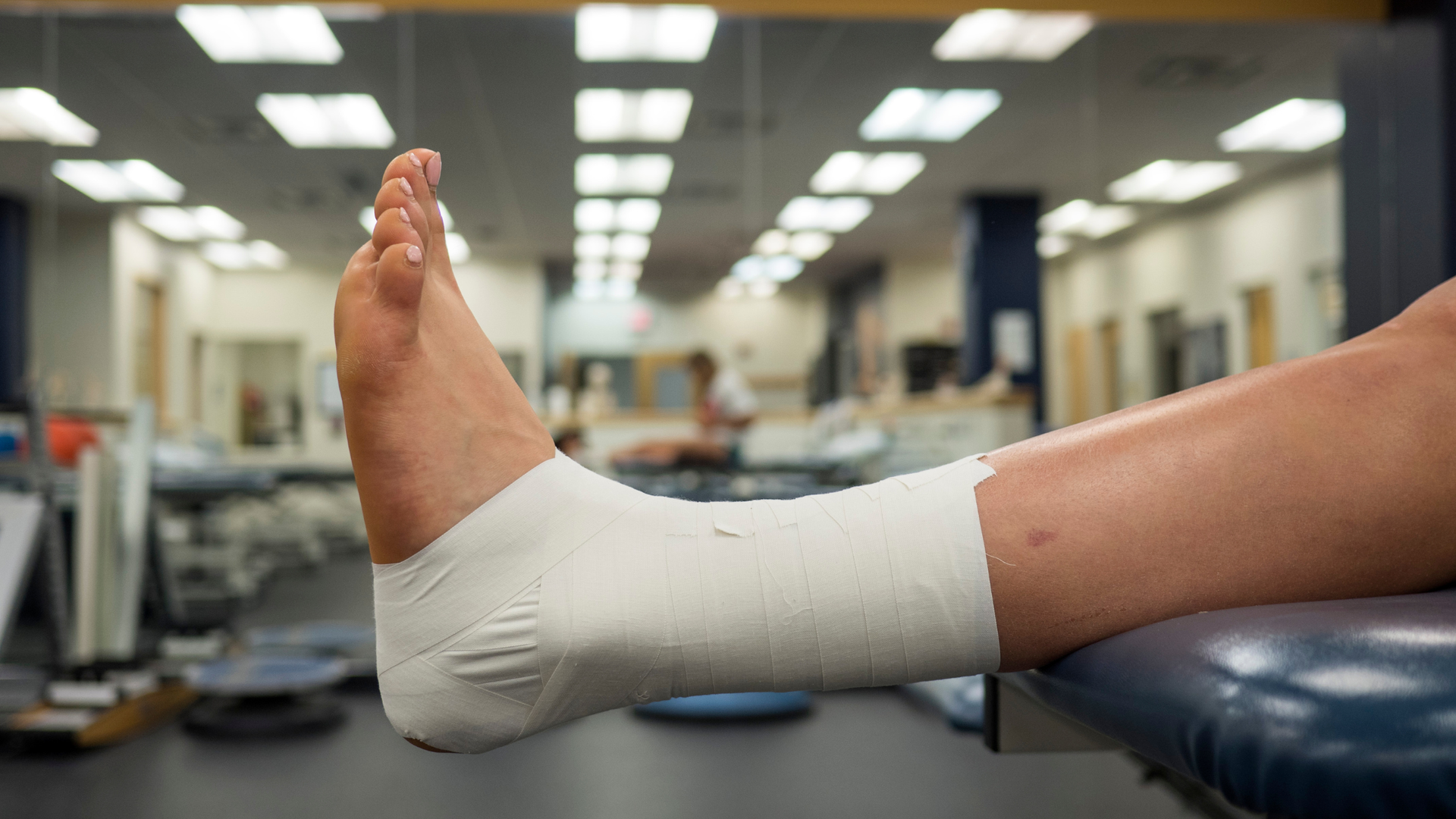
- Bracing, taping, padding, or immobilization to protect an injured area
- Exercises that restore mobility, strength, balance, and control
- Orthotics or footwear recommendations to improve support and load distribution
- Medication recommendations when appropriate and medically safe
- Referral for physical therapy or surgical consultation when indicated
The objective is not always complete inactivity. In many cases, a structured plan allows you to maintain safe conditioning while the injured tissue heals. Your podiatrist can explain which activities are appropriate now, which should be avoided, and how to progress gradually.
For broader podiatric support, visit our services page or learn more about care for ankle instability .
Why Are Biomechanics Important for Athletes?
Biomechanics describes how the body moves and manages force. Foot posture, ankle mobility, muscle strength, footwear, training surfaces, and running technique can all influence injury risk.
For example, limited ankle motion may cause an athlete to compensate through the foot or knee. Repeated inward or outward motion may increase stress on tendons and ligaments. A sports podiatrist evaluates these patterns rather than focusing only on the painful spot.
Improving mechanics may involve strengthening, mobility work, movement retraining, shoe changes, or custom orthotics. These strategies do not guarantee that an injury will never return, but they can address contributing factors and support more efficient movement.
When Should You See a Sports Podiatrist?
Consider scheduling an evaluation when foot or ankle symptoms:
- Prevent normal walking, running, jumping, or training
- Continue for more than a few days despite reducing activity
- Return each time you resume exercise
- Include significant swelling, bruising, instability, or weakness
- Follow a fall, collision, twist, or direct impact
Seek urgent medical attention for severe pain, visible deformity, inability to bear weight, numbness, or an open wound. Prompt care can help distinguish a manageable overuse problem from an injury requiring immediate protection.
Returning to Sports After an Injury
A safe return is usually progressive rather than based on a specific number of rest days. Before resuming full activity, you should be able to perform daily movements without significant pain and demonstrate adequate strength, balance, and range of motion.
A staged return may look like this:
- Resume pain-free daily walking.
- Add low-impact exercise, such as cycling or swimming, if approved.
- Introduce short periods of easy jogging or sport-specific movement.
- Increase duration and intensity gradually.
- Return to cutting, sprinting, jumping, or competition last.
Pain that increases during activity or remains worse afterward is a reason to reduce intensity and contact your provider. Rushing back can turn a short recovery into a recurring injury.
Frequently Asked Questions
Can podiatrists help prevent sports injuries?
Yes. A podiatrist can assess movement, footwear, training demands, and previous injuries to identify modifiable risk factors. Prevention may include strength and mobility guidance, gradual training progression, footwear recommendations, and orthotics when clinically appropriate.
Do I need a referral to see a podiatrist?
Referral requirements vary by insurance plan and location. Contact the practice or your insurer before scheduling to confirm whether a referral is required.
Should I keep exercising with foot or ankle pain?
Do not push through sharp, worsening, or activity-limiting pain. Reduce the aggravating activity and seek an evaluation if symptoms persist, recur, or involve swelling, instability, or difficulty bearing weight.
Can sports podiatry help non-athletes?
Yes. The same expertise can help active workers, walkers, dancers, and anyone whose daily movement is affected by foot or ankle pain.
Key Takeaways
Sports medicine in podiatry helps connect accurate diagnosis with practical recovery. It is especially valuable when pain keeps returning, affects performance, or follows a sudden injury. A podiatrist can evaluate your mechanics, recommend appropriate treatment, and guide a gradual return to activity instead of relying on guesswork.
If you are dealing with persistent foot or ankle symptoms, start by documenting when the pain occurs and what activities make it worse. Then schedule an evaluation through our contact page to discuss the right next step for your recovery.